 English
 العربية
 Français
 Deutsch
 Italiano
 Português
 Русский
 Español

Introduction
Candles have a rich and varied history in China, reflecting the nation’s evolving cultural, economic, and technological landscape. From ancient rituals to modern usage, the journey of candles in China is a fascinating tale of innovation, tradition, and adaptation.
Early Beginnings: Ancient China
The earliest use of candles in China can be traced back to the Western Han Dynasty (206 BCE – 9 CE). Historical records and archaeological discoveries suggest that primitive forms of candles were used during this period. These early candles were made from animal fat, primarily sheep and cattle, and were used for lighting in homes and temples.
Development Through Dynasties
As China progressed through different dynasties, the methods and materials for making candles evolved significantly. During the Sui (581–618) and Tang (618–907) dynasties, beeswax became a more common material due to its cleaner and longer-burning properties. This period also saw the development of candle-making as a craft, with more refined techniques and decorative designs emerging.
Tang Dynasty Innovations
The Tang Dynasty is often considered a golden age for many Chinese arts and technologies, including candle-making. The introduction of new materials and techniques allowed for the production of candles that were not only functional but also aesthetically pleasing. Candles made from beeswax and whale fat became popular, and their production was often linked to religious and ceremonial practices.
Song Dynasty Advances
During the Song Dynasty (960–1279), there was a significant advancement in candle-making technology. The invention of the candle mold allowed for mass production, making candles more widely available and affordable. This period also saw the introduction of colored candles, which were used in various festivals and celebrations.
Ming and Qing Dynasties: The Peak of Candle Usage
The Ming (1368–1644) and Qing (1644–1912) dynasties marked the peak of candle usage in China. The economic prosperity of these periods led to an increased demand for candles, both for practical and decorative purposes. Candles made from beeswax, tallow, and later, paraffin wax, were used extensively in households, religious ceremonies, and royal courts.
Cultural Significance
Candles held significant cultural and symbolic value during these periods. They were used in traditional Chinese festivals such as the Lantern Festival, where candles were placed inside paper lanterns to create beautiful, glowing displays. In religious contexts, candles were an essential part of Buddhist and Taoist rituals, symbolizing purity and enlightenment.
Modern Era: Transition and Innovation
The advent of electricity in the early 20th century brought about a decline in the use of candles for lighting. However, candles found a new role in modern China as decorative items and symbols in cultural and religious practices. The development of the candle industry in the modern era has seen innovations in materials, designs, and production methods.
Decorative and Aromatic Candles
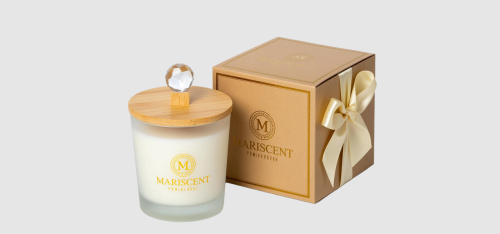
In contemporary China, candles are often used for their aesthetic and aromatic qualities. Decorative candles, often intricately designed and colored, are popular in homes and as gifts. Aromatic candles, infused with various scents, are used for relaxation and therapeutic purposes.
Candle Industry
China is now one of the largest producers and exporters of candles in the world. The modern candle industry in China combines traditional craftsmanship with advanced manufacturing techniques. This has led to a diverse range of products, from simple tea lights to elaborate decorative candles.
The history of candles in China is a reflection of the nation’s cultural evolution and technological advancements. From their early use in ancient rituals to their role in modern decorative arts, candles have been an integral part of Chinese life for centuries. Today, they continue to symbolize light, warmth, and tradition in Chinese culture.