 English
 العربية
 Français
 Deutsch
 Italiano
 Português
 Русский
 Español

The Evolution of Candle Containers
Introduction
The journey of candle containers from their rudimentary beginnings to the sophisticated designs we see today mirrors technological advancements, artistic expressions, and cultural shifts. This extensive review delves into the historical development, material innovations, and design transformations of candle containers through different eras.
Ancient Beginnings
Early Civilizations
Candle containers in ancient times were primarily functional, crafted from materials readily available to early societies. These containers were essential for stabilizing candles and collecting dripping wax.
- Stone and Clay Holders: Early examples from ancient Egypt and Greece include stone and clay holders. These materials were easy to shape and provided stability. Archaeological finds suggest that such containers were simple and utilitarian.
- Metal Holders: As metallurgical skills developed, metal holders became more prevalent. The Romans, for instance, used bronze and iron to create durable candle holders, often with simple, practical designs.
Medieval Period
Europe
During the medieval period, candle containers evolved in complexity and style, reflecting the increased use of candles in both domestic and religious settings.
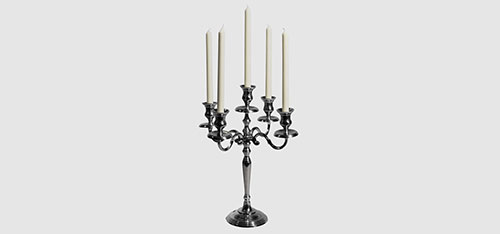
- Chandeliers and Candelabras: Large, multi-branched candle holders like chandeliers and candelabras were developed for churches and castles. These were often made of iron or brass and featured intricate designs that served both functional and decorative purposes.
- Wall Sconces: Mounted candle holders, known as sconces, became popular for their practicality and decorative appeal. These were typically made of metal or wood and featured elaborate designs to match the interior decor of homes and castles.
Renaissance to 18th Century
Renaissance Era
The Renaissance period saw a flourish in the arts and craftsmanship, which extended to candle containers. These holders became more ornate, reflecting the artistic trends of the time.
- Decorative Metalwork: Candle holders crafted from bronze, brass, and silver became popular. These materials allowed for intricate detailing and elaborate designs, often incorporating motifs from nature, mythology, and religion.
- Glass and Porcelain: The introduction of glass and porcelain added new dimensions to candle container design. These materials allowed for delicate, decorative holders that could be painted or gilded.
17th and 18th Centuries
In the 17th and 18th centuries, candle holders continued to evolve, with increased emphasis on aesthetics and functionality.
- Chambersticks: A new design known as the chamberstick emerged. This portable candle holder, often made of silver or brass, featured a handle for carrying and a wide base to catch dripping wax. It was a staple in households before the advent of electricity.
- Candelabras and Girandoles: Multi-armed candle holders like candelabras and girandoles became more elaborate and decorative, often serving as centerpieces in wealthy households. These were typically made of silver, gold, or gilded metal and adorned with crystals and other embellishments.
19th Century
Industrial Revolution
The Industrial Revolution brought significant changes to candle container production, making them more accessible to the general public.
- Mass Production: Advances in manufacturing allowed for the mass production of candle holders. Materials such as cast iron, pressed glass, and tin became common, making candle holders more affordable.
- Variety of Styles: The Victorian era saw a wide variety of styles in candle holders, from the simple and functional to the highly decorative. Candlesticks, candelabras, and wall sconces continued to be popular, often featuring elaborate designs and intricate detailing.
Introduction of New Materials
The 19th century also saw the introduction of new materials in candle holder design.
- Ceramics and Pottery: Ceramic and pottery candle holders became popular, often featuring colorful glazes and intricate patterns. These were both functional and decorative, reflecting the artistic trends of the period.
- Brass and Silver Plate: Brass and silver-plated candle holders became widespread, offering the look of more expensive metals at a lower cost. These were often used in both everyday and formal settings.
20th Century
Early 20th Century
The early 20th century continued to see a blend of traditional and modern influences in candle holder design.
- Art Nouveau and Art Deco: Artistic movements like Art Nouveau and Art Deco influenced candle holder designs, leading to sleek, geometric shapes and stylized natural forms. Materials like glass, chrome, and Bakelite were used to create modern, stylish holders.
- Electric Candles: The invention of electric lighting led to the development of electric candles and candle holders, which mimicked the appearance of traditional candles without the fire hazard. These became popular in homes and public spaces.
Mid to Late 20th Century
Post-World War II, candle holders saw a resurgence in popularity, both for practical use during power outages and as decorative items.
- Scandinavian Design: The minimalist and functional designs of Scandinavian countries became popular worldwide. Simple, clean lines and natural materials like wood and metal characterized this style.
- DIY and Handmade Trends: The late 20th century saw a rise in DIY and handmade candle holders, reflecting a growing interest in crafts and personalization. Pottery, macramé, and upcycled materials were commonly used.
21st Century
Contemporary Designs
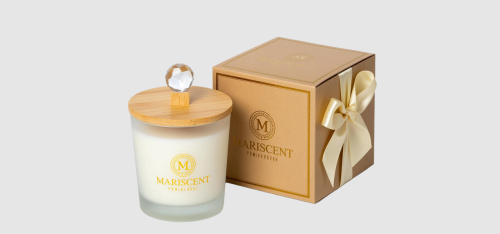
In the 21st century, candle containers continue to evolve, blending traditional craftsmanship with modern aesthetics and sustainability.
- Sustainable Materials: Eco-friendly materials such as bamboo, recycled glass, and reclaimed wood are increasingly used in candle holder design. There is a growing emphasis on sustainability and environmentally conscious production methods.
- Smart Candle Holders: Technology has even reached the realm of candle holders, with the development of smart candle holders that can be controlled via smartphone apps. These holders can adjust the brightness and even extinguish the flame automatically.
- Artisanal and Boutique Designs: There is a resurgence in artisanal candle holders, with a focus on unique, handcrafted pieces. Small-scale artisans and boutique brands often create bespoke designs that reflect individual style and craftsmanship.
Multipurpose and Decorative Use
Modern candle holders are often designed to serve multiple purposes, combining functionality with aesthetic appeal.
- Centerpieces and Home Decor: Candle holders are frequently used as centerpieces and decorative elements in home decor. Designs range from minimalist to elaborate, catering to diverse tastes and interior styles.
- Outdoor and Garden Use: Candle holders designed for outdoor use, such as lanterns and hurricane lamps, are popular for creating ambiance in gardens and patios. These are typically made of weather-resistant materials like stainless steel, aluminum, and glass.
The evolution of candle containers is a testament to human ingenuity and creativity. From their simple, functional beginnings in ancient times to the diverse and sophisticated designs of today, candle holders have continually adapted to changing technologies, materials, and cultural preferences. As we move forward, it is likely that candle containers will continue to innovate, blending tradition with modernity to create functional, beautiful, and sustainable designs.